
Welcome to Our Blogs
INCREASE YOUR AWARENESS
Follow along as we share valuable knowledge and content to enrich and empower your everyday life.
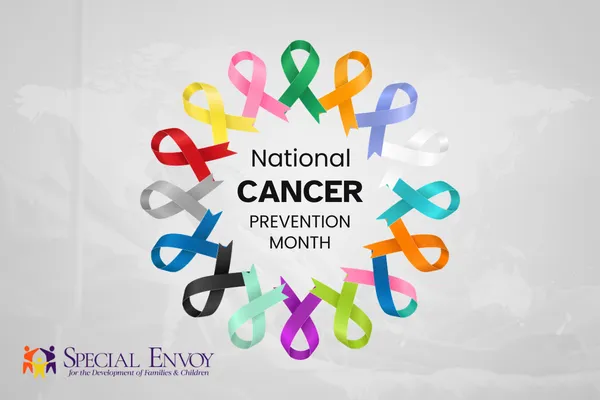
National Cancer Prevention Month
February is observed globally as National Cancer Prevention Month — a time to focus not only on treatment, but on the powerful reality that many cancers can be prevented before they begin.
For Belize, this message is especially important.
Cancer is one of the leading causes of death in the Caribbean region. According to the Pan American Health Organization, noncommunicable diseases — including cancer — account for the majority of premature deaths in our region.
Behind every diagnosis is not just an individual, but a family navigating emotional, financial, and social challenges.
As Special Envoy for the Development of Families and Children, I believe that prevention is one of the most meaningful investments we can make in the wellbeing of Belizean families.
Why Cancer Prevention Matters in Belize
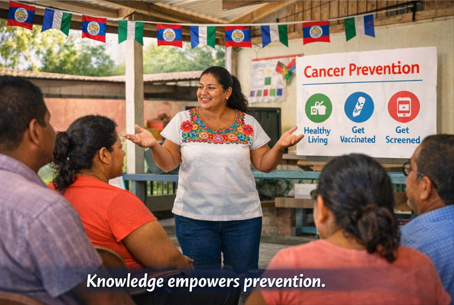
In small, close-knit societies like ours, the impact of cancer reaches beyond hospitals — it affects:
Household stability
Children’s emotional security
Economic resilience
Community support systems
Across Latin America and the Caribbean, approximately 30–50% of cancers are preventable through lifestyle changes and early detection.
The World Health Organization identifies the leading preventable risk factors as:
Tobacco use
Physical inactivity
Unhealthy diet
Harmful alcohol consumption
Infections such as HPV and Hepatitis B
These are areas where families, communities, and national policies can make a real difference.
The Role of Families in Prevention
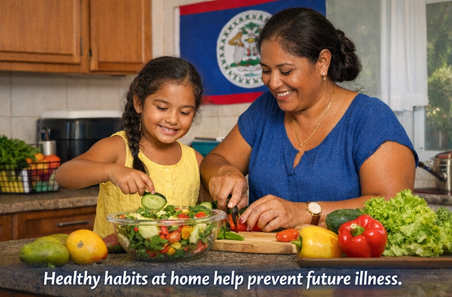
Cancer prevention begins long before adulthood — it begins in childhood.
Healthy habits formed early in life significantly reduce cancer risk later on.
Families can lower their risk through:
Nutrition
A diet rich in fruits, vegetables, and whole foods helps reduce the risk of several cancers.
Belize’s local foods — including fresh fruits, legumes, and seafood — offer powerful protective benefits when incorporated into daily meals.
Physical Activity

Sedentary lifestyles are increasing across the region.
Encouraging children to remain active — through walking, sports, and outdoor play — reduces risks linked to:
Obesity
Hormonal imbalance
Inflammation
All of which are associated with certain cancers.
Tobacco-Free Homes
Exposure to secondhand smoke increases the risk of:
Lung disease
Childhood cancers
Future tobacco dependency
Creating smoke-free environments protects both children and adults.
Vaccination: A Critical Prevention Tool
Some cancers are caused by infections that are preventable through vaccination.
For example:
The Human Papillomavirus (HPV) is responsible for most cases of cervical cancer — one of the most common cancers affecting women in the Caribbean.
HPV vaccination is safe, effective, and life-saving.
Likewise, Hepatitis B vaccination helps prevent liver cancer later in life.
Expanding awareness and access to immunization is one of the most impactful prevention strategies available today.
The Importance of Early Detection
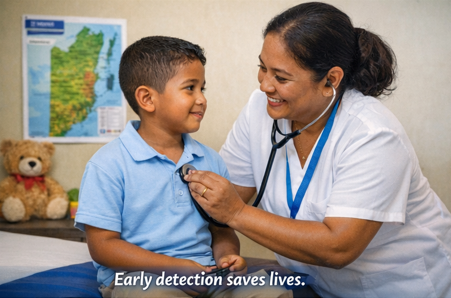
Prevention also includes recognizing illness early.
Screenings can detect cancers before symptoms appear — when treatment is most successful.
Common lifesaving screenings include:
Cervical screening
Breast examinations
Prostate checks
Pediatric health monitoring
However, across the region, many families face barriers such as:
Distance from healthcare facilities
Financial limitations
Limited awareness
Strengthening access to primary healthcare services is essential to ensuring that no family is left behind.
Environmental and Social Factors
Cancer risk is also shaped by the environments in which families live.
Key prevention priorities include:
Safe housing conditions
Clean air
Reduced exposure to harmful chemicals
Access to nutritious foods
Opportunities for physical activity
Healthy communities help create healthy families.
A National Responsibility
Cancer prevention is not solely a medical responsibility.
It is:
A family responsibility
A community responsibility
A development priority
Investing in prevention supports:
✔ Stronger households
✔ Healthier children
✔ Reduced healthcare burden
✔ National productivity
Protecting family health strengthens national resilience.
Moving Forward Together
National Cancer Prevention Month reminds us that we all have a role to play.
As families, caregivers, educators, and leaders, we can:
Promote healthy lifestyles
Encourage vaccination
Support early screenings
Advocate for accessible healthcare
Prevention is not simply about avoiding disease — it is about preserving opportunity, stability, and hope for future generations.
Together, we can build a Belize where every child grows up in an environment that supports lifelong health.
Because when we protect families, we protect our future.
Sources:
Pan American Health Organization. Noncommunicable Diseases in the Americas. PAHO, 2023. https://www.paho.org/en/topics/noncommunicable-diseases
World Health Organization. Cancer Prevention Overview. WHO, 2024. https://www.who.int/news-room/fact-sheets/detail/cancer
World Health Organization. Cancer in Children – Key Facts. WHO, 2023. https://www.who.int/news-room/fact-sheets/detail/cancer-in-children?utm_source=chatgpt.com
Pan American Health Organization. Cervical Cancer Prevention in Latin America and the Caribbean. PAHO, 2022. https://www.paho.org/en/topics/cervical-cancer?utm_source=chatgpt.com
Centers for Disease Control and Prevention. Cancer Prevention Strategies. CDC, 2023. https://www.cdc.gov/cancer/prevent

@ Copyright 2026 - Special Envoy for the Development of Families & Children| All rights reserved